If your garage becomes a catchall for tools, bikes, yard supplies, and winter leftovers, starting a home project can feel harder than the project itself. For homeowners thinking about Summer Projects Start Here: Setting Up a Functional Garage Workspace, the goal is not a showroom garage but a space that works on busy weekends and ordinary weekdays.
A good setup helps you find tools fast, protect equipment, and keep enough free space for parking and movement. This guide covers how to assess your space, plan zones, choose storage solutions, and build a functional garage that fits Salt Lake City living.
Why a Functional Garage Workspace Matters in Salt Lake City
In Salt Lake City and South Salt Lake, a garage often does more than hold cars. It becomes a garage workspace for home improvement, woodworking, bike maintenance, gardening prep, and all the work + life spillover that lands near the door.
Utah homes also deal with a specific weather reality. Dry summers, dusty conditions, snow shovels, ski gear, and camping equipment all compete for room with sports gear, yard tools, and repair supplies.
When that mix has no structure, projects stall before they start. A planned garage workshop reduces clutter, shortens setup time, and makes summer projects easier to begin and finish.
Local Challenges That Shape Garage Design
Salt Lake City garages need to handle dust, heat swings, and gear for an outdoor lifestyle. Many households need one workshop area to share space with parking, seasonal storage, and daily drop-zone traffic without feeling cramped.
Assess Your Garage Before You Build the Workspace
Start with assessing your space instead of shopping for products first. Measure wall length, ceiling height, door swing, parking clearance, and the footprint of any workbench, garage cabinets, or shelving you want to add.
Next, identify what frustrates you now. Poor lighting, blocked walkways, mixed tool storage, weak utility access, and crowded corners usually point to the layout planning issues that need attention first.
This is where a custom design consultation helps. Perfect Garage Storage begins with 3D layout planning, so homeowners can see 3D designs that match real dimensions rather than guessing what might fit.
Map Out Zones First
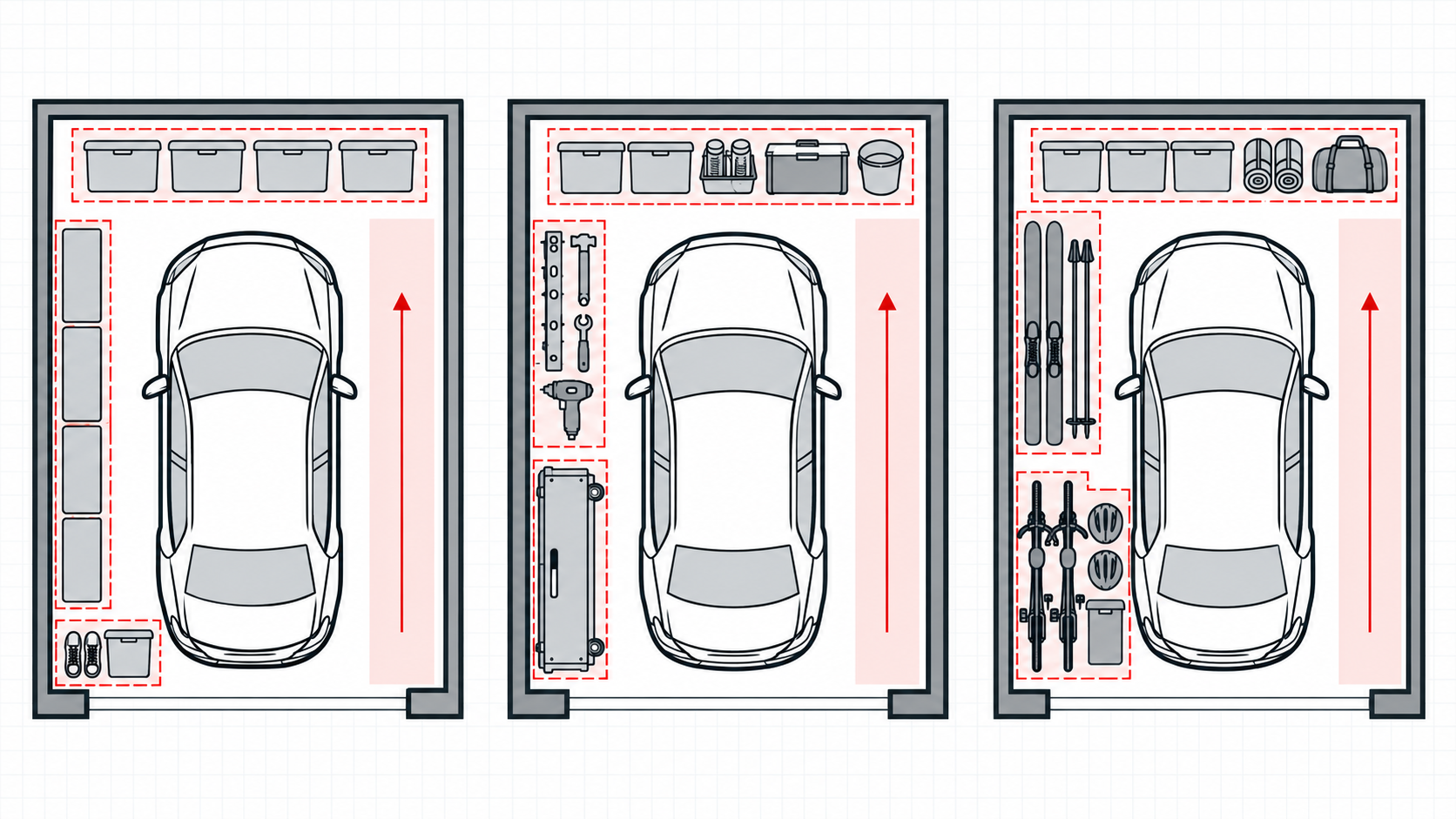
Break the garage into clear zones for parking, tool storage, bench work, and seasonal storage. Keep high-use items near the main work area, and move low-use bins into overhead storage or along perimeter walls.
Check Utility and Structural Limits
Review electrical outlets, ventilation, insulation, and floor condition before adding heavy pieces. If your plan calls for electrical upgrades or code-related changes, bring in licensed help before installation starts.
Plan a Layout That Supports Summer Projects
The best garage conversion for workshop use follows the way you move through a task. Bring materials in, store tools nearby, complete the work, and clean up without crossing the whole garage three times.
Keep the center work surface open for measuring, assembly, repairs, or paint prep. Clear paths from the garage door to the bench, storage, and trash area make the garage transformation feel easier from day one.
Choose the Right Work Zones
Most garages need three core zones: a bench zone, a storage zone, and a staging zone. In a multipurpose space, modular space solutions help the room shift between project use and vehicle parking.
Use 3D Planning to Avoid Guesswork
3D layout planning shows cabinet depth, bench placement, and walkway clearance before materials are installed. With 3d design, customers can see their garage transform immediately because the plan is built around how the space will function.
Add Storage That Keeps Tools Accessible
A working garage needs storage solutions that clear the floor and keep tools within reach. Garage cabinets, wall organizing systems, shelving, and overhead storage all support better garage organization when each item category has a defined home.
Assign separate areas for hand tools, power tools, landscaping supplies, automotive items, and sports gear. Using vertical space matters even more in smaller garages, where every square foot on the floor affects movement and parking.
Best Storage Options for a Working Garage
Closed cabinets are useful for paint, chemicals, and visual clutter, while open shelving works well for labeled bins and daily supplies. A garage slatwall or other wall organizing system can hold cords, ladders, rakes, and smaller tools where they stay visible but off the ground.
Full-height cabinets create clean lines and strong utility along one wall. If bikes are part of the mix, dedicated bike storage can free up room near the bench and center aisle.
Store for Utah Seasons
Rotate snow shovels, ski gear, camping equipment, and summer yard tools by season so the current gear stays easiest to reach. Keep weather-sensitive items off the floor and away from direct heat, dust buildup, or moisture exposure.
Upgrade Lighting, Power, and Comfort
Many garages fail as work areas because they were built for parking, not projects. Good lighting, task lighting, and enough electrical outlets often make the difference between a frustrating corner and a usable garage workspace.
Use layered lighting with bright overhead coverage and focused fixtures above the bench. For Salt Lake City summers, comfort also improves with better insulation, fans, and garage door screens that support airflow during longer work sessions.
Lighting That Supports Precision Work
Bright LED lighting improves safety and helps with cutting, measuring, painting, and repair work. It also reduces shadows around benches, shelves, and tool stations where mistakes tend to happen.
Power and Ventilation Basics
Place outlets close to the tools you use most so cords do not create clutter or trip hazards. Good ventilation supports dust control, reduces heat buildup, and helps manage fumes during enclosed workshop sessions.
Choose Durable Surfaces and Safety Features
A garage workshop should hold up to dropped tools, rolling equipment, spills, and heavy foot traffic. Durable garage floors, solid bench materials, and easy-clean wall finishes support long-term use and make maintenance less of a chore.
Safety should be built into the plan from the start. A visible fire extinguisher, stable shelving, and hazardous materials storage all protect the space while supporting property value and daily function.
Flooring That Handles Real Use
Sealed concrete is a practical choice for many garages because it reduces dust and cleans up faster than bare concrete. A floor coating can add stain resistance and wear protection after woodworking, bike maintenance, or yard projects.
Safety Features Worth Including
Secure heavy cabinets to wall framing and keep pathways open around vehicles and exits. Store sharp tools, flammables, and chemicals in designated areas away from children and pets.
Avoid Common Garage Workspace Mistakes
One of the biggest mistakes homeowners make is copying big box kits without checking how the layout works in their own garage. Generic systems often ignore door swing, parking clearance, storage volume, and how the space is used day to day.
Other common problems include too little bench space, weak lighting, overcrowded shelving, and no room left for vehicles. Planning first helps you avoid buying racks or cabinets that look fine online but fail in practice.
When DIY Planning Falls Short
DIY plans often seem workable until the garage door opens, the car pulls in, and tools come out. A custom layout prevents awkward spacing, wasted purchases, and storage pieces that block the way they were meant to help.
What a Smart Salt Lake City Garage Setup Can Look Like
Picture a two-car garage with one wall dedicated to full-height cabinets and closed storage. The opposite wall holds a workbench, garage slatwall, and a few open shelves for bins, while overhead storage keeps low-use items out of the way.
The center aisle stays open for parking and project movement. Bikes, hiking gear, and home improvement tools stay easy to grab, which fits how many Utah families move between house projects and weekend outdoor use.
Example Layout for a Multipurpose Garage
One wall can hold full-height cabinets for chemicals, seasonal storage, and bulk supplies. Another wall can support the bench and wall organizing, while bins overhead keep less-used items up high and project tools remain close to the main work area.
Place outdoor gear near the garage door for fast access. That setup supports a cleaner garage transformation without turning the whole room into a single-purpose workshop.
How to Get Started With the Right Plan
Start with measurements, pain points, and a list of what your garage needs to hold. Then define zones, choose storage solutions, improve lighting and power access, and confirm that safety and utility are covered before buying anything.
For many homeowners, the smartest first step is a custom design consultation backed by 3D layout planning. Perfect Garage Storage uses that process to create a functional garage tailored to real habits, real dimensions, and the way summer projects unfold at home.
If your storage needs go beyond the garage, you can also explore closets and other ideas through the company blog. More project inspiration and service details are available at www.perfectgarageslc.com.