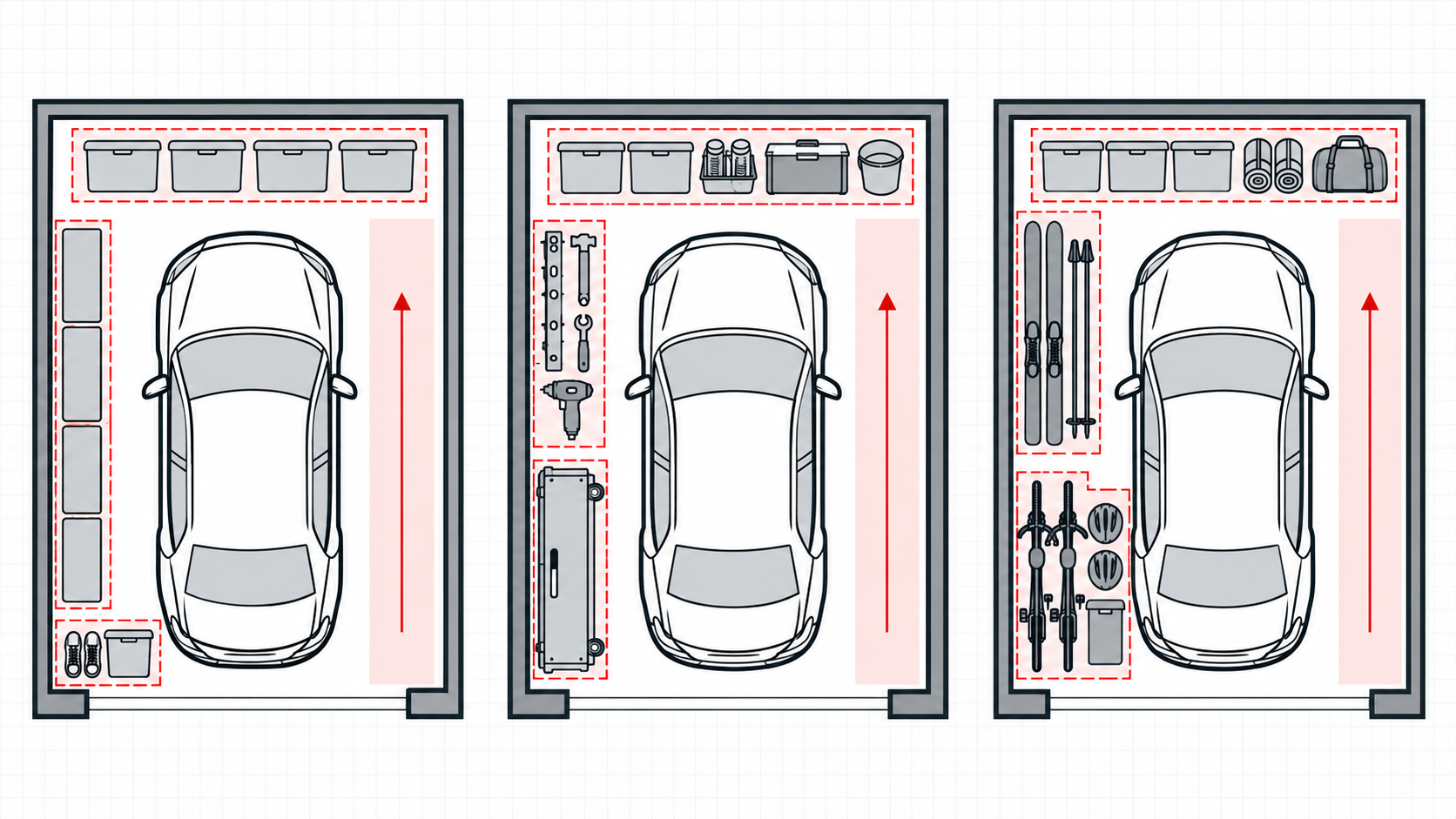
Most earthquake injuries come from falling contents, not collapsing buildings. In a Wasatch Front garage, that means shelving, overhead racks, and heavy gear stored up high. Walk through these 10 checks to find what could fall, block your exit, or spill.
Why Garage Earthquake Preparedness Matters Along the Wasatch Front
Roughly 85% of Utahns live within 15 miles of the Wasatch Fault. A U.S. Geological Survey and Utah Geological Survey forecast puts the probability of at least one magnitude 6.0 or greater earthquake in the Wasatch Front region at 57% within the next 50 years.
The March 2020 Magna earthquake, magnitude 5.7, showed how shaking can interrupt daily life. It does not predict when another earthquake will occur.
Because falling contents cause so many injuries, storage choices are a household safety issue, not only a building question. No garage is earthquake-proof, and this checklist addresses nonstructural hazards, not structural assessment or required building work.
Start With a 10-Point Walk-Through Score
Walk through with a phone, notepad, and flashlight, awarding one point for each completed numbered item.
- 0 to 3: Address urgent hazards first.
- 4 to 7: Improve weak points.
- 8 to 10: Review annually and after major storage changes.
Photograph uncertain attachments and identify safe spots away from falling contents. Never run a vehicle or generator inside the garage because of carbon monoxide build-up.
A high score does not certify seismic safety or compliance with building codes.
Checklist Items 1 Through 3: Secure Storage to the Structure
Storage needs solid framing, not drywall alone. FEMA E-74, Reducing the Risks of Nonstructural Earthquake Damage, explains anchoring and restraint methods that reduce earthquake damage.
1. Anchor Freestanding Shelving to Wall Studs
Check tall and freestanding shelving for suitable fasteners into studs, following manufacturer instructions. Put heavy bins low and add retaining rails or bracing in front of shelves where contents could slide.
Adhesives and earthquake putty do not replace mechanical attachments for heavy shelving.
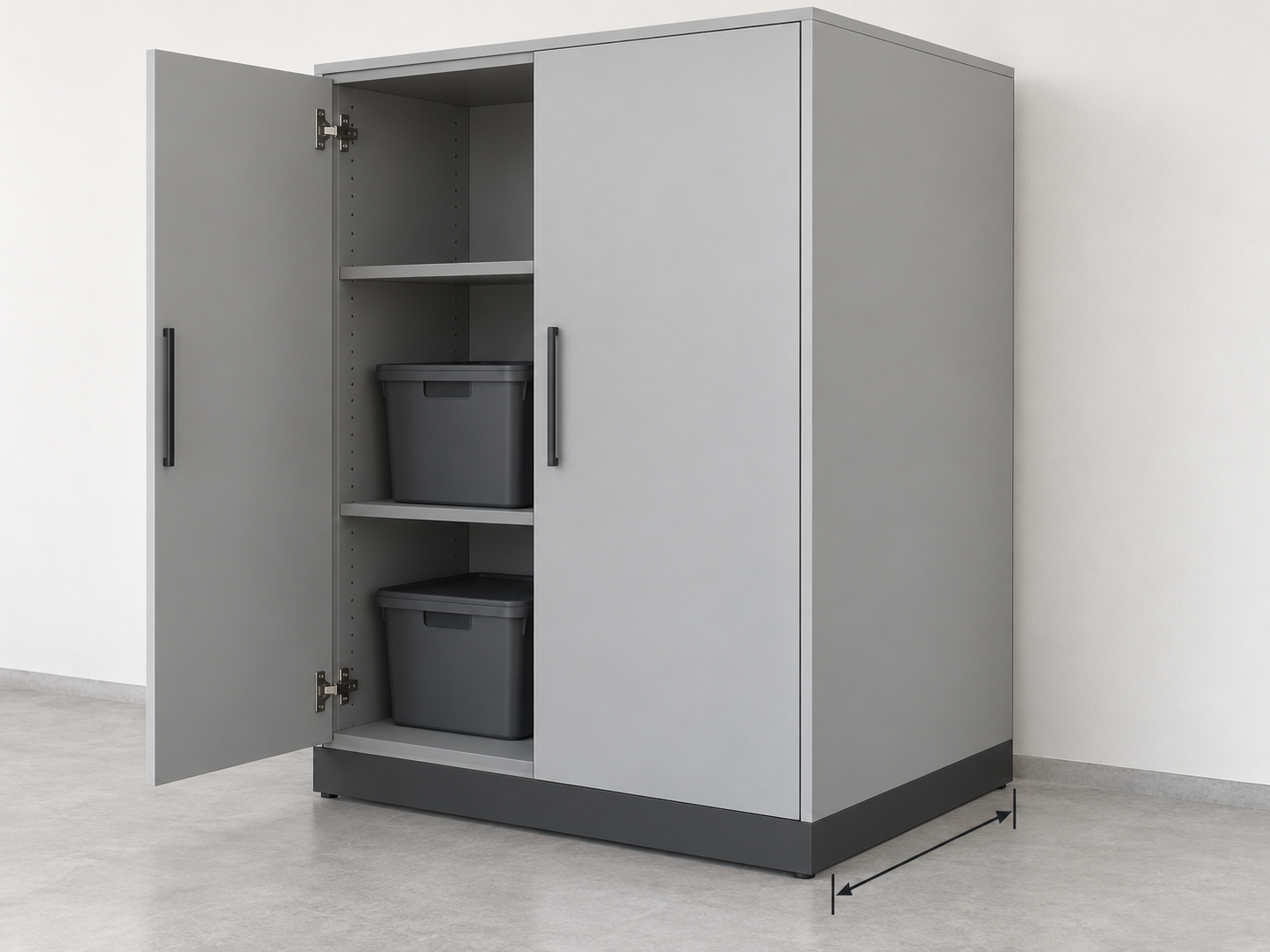
2. Secure Tall Cabinets and Latch Their Doors
Inspect cabinet attachments for gaps, loose fasteners, and visible movement without pulling on unstable units. Fit cabinet doors with positive latches or cupboard locks.
Keep glass, sharp tools, and heavy containers below shoulder height, preferably behind closed doors.
3. Verify Overhead Racks Are Fastened Into Joists or Trusses
Confirm attachments enter joists or trusses, never drywall alone. Follow rated load limits, distribute weight evenly, and remove overloaded, damaged, or improvised setups.
Keep engines, dense containers, and large tools down low. Perfect Garage Storage anchors shelving, cabinets, and overhead racks to framing on every installation, an installation standard rather than seismic certification.
Checklist Items 4 Through 6: Put Heavy and Hazardous Items Low
Location matters as much as organization. Lower storage reduces exposure to falling objects and helps prevent spills, fire hazards, and blocked access.
4. Move Dense Supplies Below Waist Height
Place toolboxes, full bins, automotive fluids, and dense camping equipment on lower shelves or stable floor locations outside walkways. Avoid stacking heavy items on cabinets, refrigerators, or high open shelves.
Use secure lids and readable labels. Add suitable restraints to keep items on shelves from toppling or sliding.
5. Contain Paint, Chemicals, and Fuel-Related Products
Store paint, cleaners, pesticides, and automotive chemicals low, following label instructions for ventilation and compatible storage. Check for leaks, loose caps, and corrosion.
Keep flammables away from ignition sources, any gas appliance, and the water heater. Keep a working fire extinguisher accessible without reaching across hazardous materials.
6. Use Closed Storage for Glass and Breakables
Move glass jars, fragile equipment, and breakable supplies into closed cabinets. Remove unnecessary glass and clutter that could become sharp debris.
Rubber-grip shelf liner can help keep small objects in place, but it does not replace rated restraints for heavy loads.
Checklist Items 7 and 8: Check Utilities and Wall-Hung Gear
Utility safety requires different expertise from storage planning. A licensed contractor or plumber should address appliance connections; furniture safety straps are not substitutes for water-heater restraint systems.
7. Strap the Water Heater and Review Utility Risks
Confirm the water heater has sturdy earthquake straps attached to appropriate framing. A shifted tank can cause flooding, damaged connections, gas leaks, or fire.
Have a qualified professional evaluate flexible connectors, including flexible water and gas lines where applicable. Do not alter a flexible gas line or install a seismic shut-off valve yourself.
Know where utility shutoffs are and when local authorities advise using them. Keep a suitable wrench only if appropriate for your utility setup, and leave gas restoration to the utility or a qualified professional.
8. Secure Bikes, Ladders, Tools, and Wall-Hung Equipment
Inspect mounts, closed hooks, and rated hardware for bikes, ladders, garden tools, and shop gear. Prevent equipment from swinging into vehicles and exits.
Do not hang heavy gear above parked cars, work areas, or regular walking routes. A permanent place for outdoor equipment reduces reliance on leaning ladders and loose tools in corners.
Checklist Items 9 and 10: Keep an Exit and Emergency Supplies Ready
The garage may provide an escape route and supply-storage space, but neither works behind clutter. Use Be Ready Utah for household preparedness planning and supply guidance.
9. Maintain a Clear Route to the Garage Door
Keep a well-lit path from the interior door to the garage exit. Park vehicles and store bins without narrowing that route.
Review two escape routes from every room where possible, and choose an outdoor meeting place. Do not assume the powered garage door will work during a power outage.
Expect aftershocks, leave damaged areas carefully, and follow official instructions before returning.
10. Create a Grab-and-Go Zone Near the Exit
Keep an emergency supply kit, emergency water, flashlights, and spare batteries in accessible low storage. Protect supplies from crushing loads, moisture, and chemicals.
Include first-aid supplies, pet needs, copies of key information, and Utah-appropriate seasonal layers. Store medications and other temperature-sensitive supplies elsewhere if garage temperatures exceed their labeled limits.
Check water, batteries, and dated supplies during the annual Great Utah ShakeOut earthquake drill.
What to Do During and After an Earthquake
Do not run through the garage during strong shaking to rescue belongings or move vehicles. Preparedness includes knowing when to stay put and when to leave.
During Shaking: Drop, Cover, and Hold On
If indoors, Drop, Cover, and Hold On beneath a sturdy table or desk when available. Protect your head and neck, and stay away from shelves, cabinets, windows, hanging objects, and garage doors.
If no shelter is nearby, get low and protect your head and neck without crossing the room. If in bed, remain there and cover your head with a pillow unless an immediate danger requires moving.
After Shaking Stops: Check Hazards Before Re-Entering
Watch for fallen objects, broken glass, hazardous spills or leaks, damaged electrical equipment, and signs of a gas leak. Do not use flames, switches, or vehicles if gas leakage is suspected.
Leave the area and contact the utility or emergency services from a safe location. Restrict access around tilted racks, loose cabinets, damaged fasteners, or ceiling damage until qualified help evaluates them.
Do not handle unidentified chemical spills or touch equipment near damaged wiring.
When a Garage Needs Professional or Structural Guidance
Anchoring a cabinet does not strengthen the house itself. Much of Utah's building stock predates modern seismic requirements, and living space above a garage deserves careful consideration.
Signs to Ask a Qualified Professional
Seek advice about damaged exposed framing, significant cracks, or loose connections between beams, posts, joists, and plates. A potential soft-story condition, where a relatively open garage supports living space, also warrants structural review.
Consult a licensed contractor, architect, engineer, or local building department about major retrofit work, building codes, and permits. Do not alter trusses, joist hangers, or structural connections to accommodate storage without appropriate guidance.
Use a Garage Redesign to Remove Everyday Hazards
Plan storage around low heavy loads, clear exits, and deliberate wall-mounted gear locations. Include the garage in your home evacuation plan rather than treating it as overflow space.
Perfect Garage Storage's coordinated layouts cover cabinets, shelving, overhead storage, bike storage, and work areas. Layout planning addresses daily storage hazards, not structural weaknesses.
Final Garage Earthquake Readiness Check
Start with the hazards that could injure someone or block escape: unsecured tall storage, heavy overhead loads, unstable chemicals, and obstructed exits. Then check utility restraints, wall-hung gear, and access to emergency supplies.
Repeat the 10-point check after reorganizing, adding overhead storage, moving, or buying major garage equipment. Even a properly installed system needs another look when its contents or loading change.
Use the annual Great Utah ShakeOut to practice your household plan and inspect the garage again. Keep photos and unfinished tasks together so the next review starts with a clear record.
For homeowners considering a new layout, Perfect Garage Storage offers a free in-home consultation and custom 3D garage design delivered within 1 to 2 business days for review before committing. Use your completed checklist to guide practical questions about anchoring, storage placement, and keeping an exit open.