A garage can lose 30 percent or more of its usable area when storage grows without a plan, especially in households that park cars, store gear, and keep emergency supplies in the same footprint. When homeowners compare Garage Storage Shelving Units the deciding factor is rarely shelf material alone. The better question is how each system supports access, load, and movement inside a Salt Lake City garage.
Perfect Garage Storage sees the same pattern across local homes: people buy shelves for capacity, then struggle with reach, re-stacking, and blocked pathways. That makes this a discovery problem, not a product problem, because the right answer depends on what you store, how often you touch it, and how your garage functions week to week.
How Salt Lake City Garages Get Cluttered And What Shelving Must Solve
Salt Lake City garages collect a distinct mix of snow gear, camping bins, tools, sports equipment, pantry overflow, and emergency supplies, which means one storage system rarely handles everything well. The core failure is access, because weekly-use items end up trapped behind seasonal storage bins, turning simple tasks into repeated unloading.
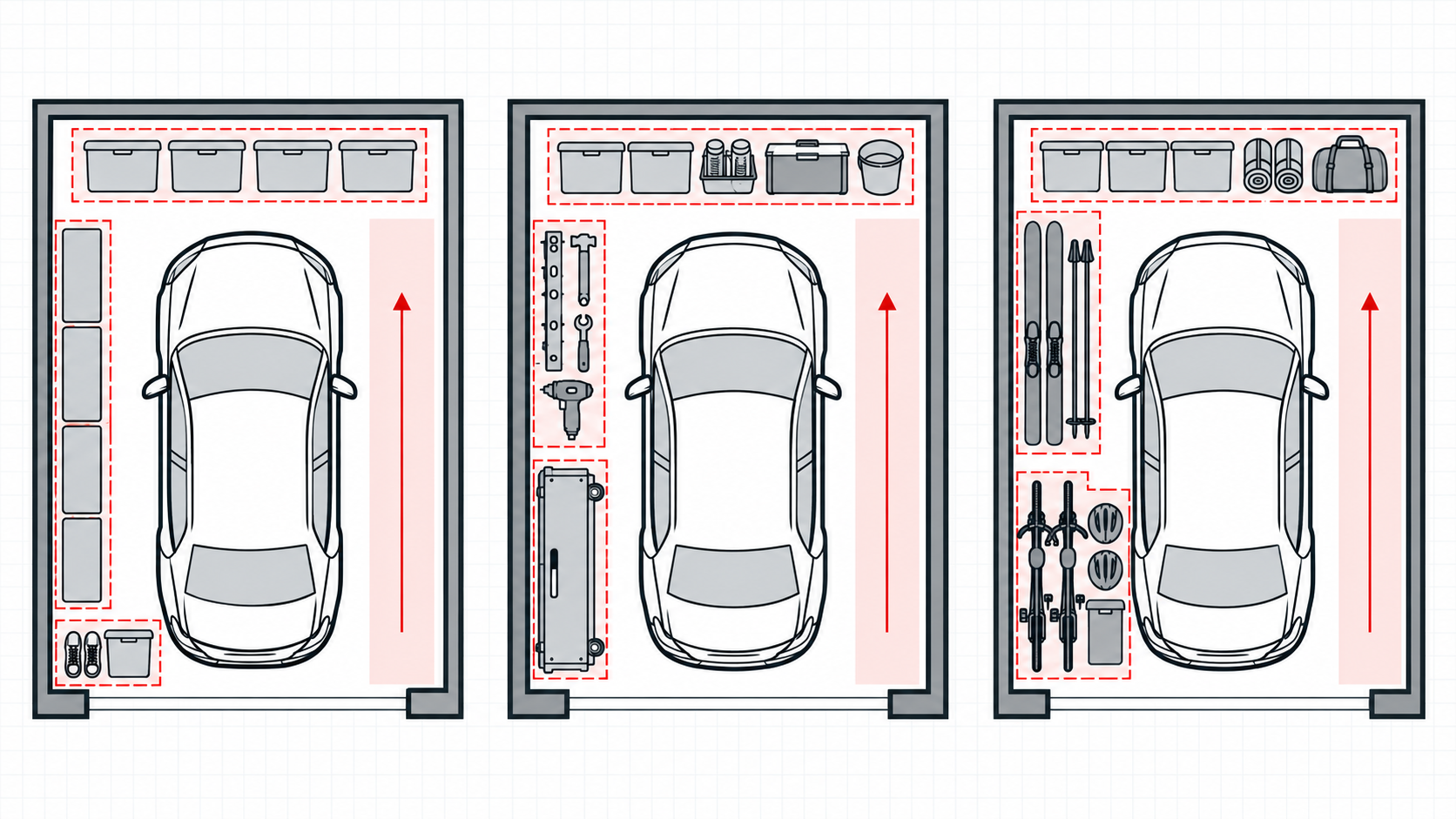
Before buying wall shelving or larger garage storage systems, define storage zones for parking clearance, walkway clearance, a workbench area, a gear wall, and long-term storage. Zoning matters more than shelf style because a shelf in the wrong zone creates friction every day, even if the shelf itself is strong.
Local conditions also shape good shelving decisions. Winter slush, temperature swings, and dust from active construction corridors favor layouts that keep damp items ventilated and keep floors easier to clean.
Quick Self-Audit: What You Store and How Often You Touch It
Sort everything into weekly, monthly, seasonal, and rarely used categories before you measure a single wall. Frequency drives placement, and shelf height adjustability matters because coolers, strollers, and tall totes can make fixed shelves waste vertical space.
Measure the largest items and note awkward shapes such as skis, ladders, folding chairs, and sports bags. A garage that stores long or irregular gear often needs mixed formats, not one row of identical shelves.
Selection Criteria That Matter More Than Material Alone
Check the weight rating at two levels: the per-shelf rating and the total unit capacity. That distinction matters because many failures happen when one shelf is overloaded long before the full rack reaches its advertised limit.
Map the garage layout flow before purchase, including door swing, car door opening, furnace or water heater clearance, and walking paths to the house entry. If a system requires anchoring to studs, plan that early, because wall strength often determines whether a design is safe or only looks tidy.
Option 1: Freestanding Metal Shelving Units
Freestanding shelving works best for garages that change often, for renters, and for households still testing their garage layout flow. Heavy-duty wire shelving, metal wire shelving, and welded steel shelving handle bins, tools, and bulk supplies well because they combine strength with easy repositioning.
Wire shelves also improve airflow around damp gear, paint, and cleaning supplies, which helps in garages where moisture lingers after snowstorms. In Utah, uneven concrete slabs are common enough that wobble is not a minor annoyance but a stability issue, so anchoring improves safety.
Pros
Fast installation makes freestanding shelving attractive when storage needs are urgent or still evolving. It also tends to offer strong cost-per-pound value for heavy loads.
Cons
These units consume floor area, which can reduce parking space and squeeze seasonal storage into walk paths. Lower-grade racks may rust or rack out of square when loads are unevenly distributed.
Option 2: Wall-Mounted Shelving Systems
Wall-mounted systems, including track, bracket, and fixed shelves, are strong choices when floor space is scarce and daily access matters most. Adjustable shelves and custom garage shelves create predictable grab zones near doors, which is why custom organization solutions often outperform larger freestanding racks in active family garages.
This format supports clear categories such as a sports wall, tool wall, or family drop zone. The benefit is not only neatness but retrieval speed, because eye-level storage reduces bending, stacking, and searching.
Pros
Wall systems free floor space for parking, a freezer, shop tools, or a home gym corner. They also create cleaner sightlines and make sweeping along the perimeter easier.
Cons
Installation quality determines safety, so poor fastening can turn a useful shelf into a wall failure. Depth is also limited compared with some freestanding units, which matters for oversized totes.
Option 3: Overhead Garage Storage Racks
Overhead racks use dead air above hoods and trunks, making them one of the highest-yield ways to gain storage without shrinking the parking footprint. Ceiling-mounted racks are best for seasonal bins, holiday décor, and long-term camping gear, not for items used every week.
The design constraints are structural and mechanical: garage door tracks, opener position, and ceiling joists all affect where overhead racks can go. Access planning matters as much as load planning because a rack that requires unsafe lifting will not stay organized for long.
Pros
When installed correctly, ceiling-mounted racks deliver the most space gain per square foot. They keep bulky items out of walk paths and preserve wall space for daily-use storage.
Cons
Daily access is poor, so overhead storage often creates frustration if used for frequent items. Load limits must match the ceiling structure, not only the rack label.
Option 4: Plastic Garage Shelving
Plastic or resin shelving fits moisture-prone corners, lighter loads, and households that want easy cleanup after winter slush or muddy yard work. Its corrosion resistance makes it useful near entry points where wet boots, pool chemicals, or gardening supplies collect.
The tradeoff is stiffness. Resin shelves can deflect under load, so published ratings need scrutiny before stacking dense totes or tool cases.
Pros
Plastic shelving is low maintenance and will not rust in damp conditions. It is also light enough to move during garage cleanouts or layout changes.
Cons
Load capacity is lower than most steel alternatives. Taller units can feel unstable when floors are uneven or loads are top-heavy.
Option 5: Custom Shelving and Integrated Systems
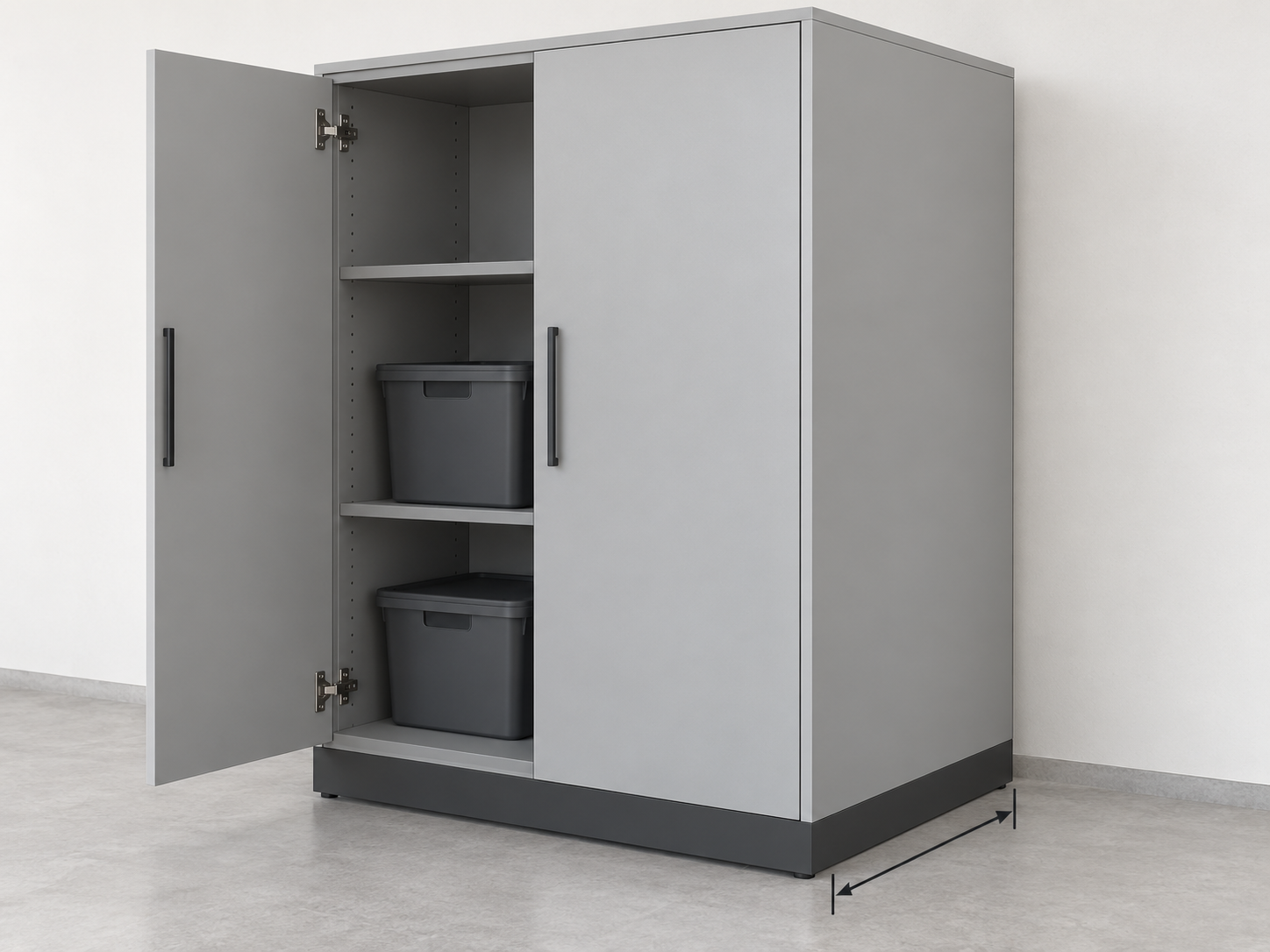
Custom systems combine shelves, garage cabinets, garage slatwall, utility cabinets, hooks, bike storage racks, and overhead elements into one plan. For long-term homes, that integrated approach often creates the best accessibility because open shelving handles grab-and-go items while closed storage reduces visual clutter.
Monkey Bars shelving and Monkey Bar Shelving are notable examples of wall-based systems built around strength and flexibility. Integrated layouts also scale better over time, since families can add bays, hooks, or bike storage without rebuilding the whole garage.
Pros
Custom systems maximize usable space while keeping high-use items reachable. They also produce a more consistent look that can support property value and daily upkeep.
Cons
They require more planning up front, including measurements, zoning, and future growth. Initial cost is higher than off-the-shelf racks.
How to Choose the Right Shelving Setup in Salt Lake City
Measure wall lengths, ceiling height, garage door track clearance, and the full parking envelope before selecting anything. A shelf that fits the wall but blocks a car door is a layout error, not a storage win.
Design for flow by preserving a clear route from the house door to trash bins, freezer, and workbench. Leave 10 to 20 percent open capacity so the system can absorb new gear without collapsing into overflow within a year.
Layout Tips for Common Salt Lake City Garage Types
Two-car garages usually benefit from perimeter wall storage plus overhead placement above the hood line. Single-car and townhome garages need wall-mounted systems and vertical planning to protect floor space.
If bikes dominate the garage, review examples of bike storage and shelving around bike storage. Local projects such as draper garage storage show how regional layouts often mix shelving with wall-based gear storage.
Accessibility Rules That Reduce Daily Friction
Keep weekly-use items between knee and shoulder height. Group gear by task, such as snow removal, yard care, car care, camping, and sports, so one activity does not spill across the whole garage.